
Keys to Adopting Technology Platforms in Retail.
Translated from the original Spanish article.
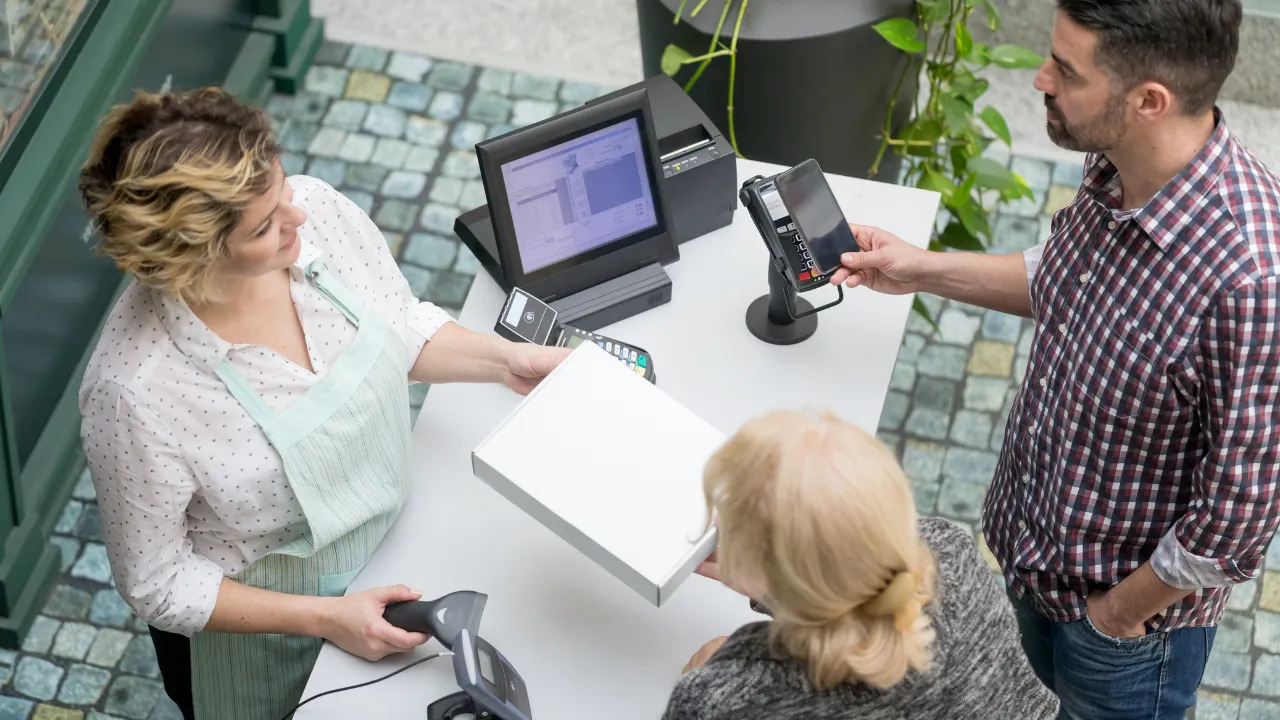
Adopting technology platforms is a big step for retail companies looking to innovate in their product and service offering. However, this process also brings significant challenges, especially when the main focus must be the customer experience. Platforms like Ogloba, which offer solutions for gift cards and loyalty programs, not only transform internal processes but also have a direct impact on end-user satisfaction.
Trends in Technology Platform Adoption
In 2024, digital acceleration continues to set the pace in the retail industry. According to recent studies, 60% of retail companies have implemented or are in the process of adopting technology platforms that optimize their operations and deliver an omnichannel experience. The most notable trends include:
- Omnichannel: Integration between physical and digital platforms to deliver a frictionless experience.
- Automation: Tools that enable real-time management of inventory, transactions and reports.
- Personalization: Using data to design tailored loyalty strategies.
However, technology alone does not guarantee success. A lack of training, communication and proper promotion of the products derived from these platforms can result in a poor experience for the end customer.
Key Challenges in Adoption
1. Lack of awareness and training
A common mistake is to assume that it is enough to inform staff about the availability of new products, such as gift cards or coupons, without in-depth training. This can lead to negative experiences when a customer tries to redeem a card and the cashier does not know the process.
2. Resistance to organizational change
Implementing a new platform means a cultural change across the entire organization. From sales to accounting, every department must adapt to new tools, workflows and responsibilities.
3. Underestimating the end customer
End users need clarity about the product they are buying. For example, whether a card is physical or digital, what its face value is, and whether it allows partial or full redemption.
Tips for a Successful Adoption
- Comprehensive training: Design training programs for every level of the organization, from cashiers to managers. Be sure to include practical scenarios and easy-to-reference materials.
- Effective promotion: Communicate the product's benefits clearly and creatively to both internal staff and customers. Use digital and physical strategies to maximize reach.
- Involve every department: A platform like Ogloba cuts across the entire organization. Provide tools so that accounting can download reports in real time and marketing can design personalized campaigns.
- Monitor and adjust: Set performance indicators (KPIs) to measure the platform's success. Evaluate end-customer feedback and make adjustments as needed.
- Reliable technology partners: Work with providers that offer efficient integrations and 24/7 support to resolve issues quickly.
Conclusion
Adopting a technology platform is much more than a change in operating systems; it is an organizational transformation that requires a collective effort. Success lies in ensuring that everyone involved, from internal staff to the end customer, understands and makes the most of the opportunities this innovation offers.
In retail, technology should be a tool to improve the customer experience, not an obstacle. With the right strategy, your business can achieve outstanding results and stay competitive in today's market.
Read more about Retail Trends for 2024.
Want to know how Ogloba can help you implement a platform that ensures the success of your gift card program? Contact us; we are here to help you transform your customers' experience and maximize your business results.
*Sources:
Retail Technology Innovation Hub: This site explores technology trends such as digital-physical integration and AI-driven personalization, highlighting the importance of tailored solutions and effective marketing strategies to minimize problems in technology adoption.